










ANU Programs & Majors
Bachelor of Mass Communication
All Programs
Description of the Program
The Bachelor of Mass Communication Programme prepares students for effective participation in the Mass media world: – equipping them with skills and competencies in mass communication that are socially relevant, market-driven, holistic and sensitive to global trends.
Objectives of the Program
- To develop within students an understanding of the societal role of communication through the media.
- To enable students to apply and interrelate the theoretical and the operational aspects of mass media communication.
- To prepare the student to recognize and apply the principles and concepts of effective communication in various settings (church, corporate, community), and to address unique problems at the individual, communal, institutional and organizational levels.
- To understand the full scope of mass media communication newspapers, magazines, radio, television, computers, film, books, direct mail, electronic mail and to understand their relationship to one another and the society.
- To develop basic skills in news writing, reporting, editing, graphics and consumerism in print and/or electronic med
Units Offered
- Introduction to Human Communication
- Communication systems in Africa
- Introduction to Mass communication
- Speech Writing and Analysis
- News Writing and Reporting
- Theories of Mass Communication
- Intercultural Communication
- Principles of Management
- Principles of Marketing
- Criticism of Mass Media Content
- Communications Ethics
- Writing for Newspaper
- Media Laws
- Information Communication and Technology
- Introduction to Broadcasting
- Research Methods in communication
- Principles of Interviewing
- Television Production and Directing
- Principles of Advertising
- Political Economy of Media
- Public Relations
- Business Communication
Concentration
- Broadcast Journalism
- Print journalism
- Public Relations
- Graphic design Communication
Admission Requirements
Overall Grade of C+ in KCSE and B- in Eng, Or
2 principals & a Subsidiary (A’level), Or
Minimum GPA of 2.3 from Diploma, Or
Credit pass at Diploma level
NB: Exemptions awarded to applicants with a minimum GPA of 2.7.
SCHOOL/DEPARTMENT
School of Humanities and Social Sciences
MODE OF STUDY
ANU Online , Face to Face
DURATION OF PROGRAM
4 Academic years
LOCATION
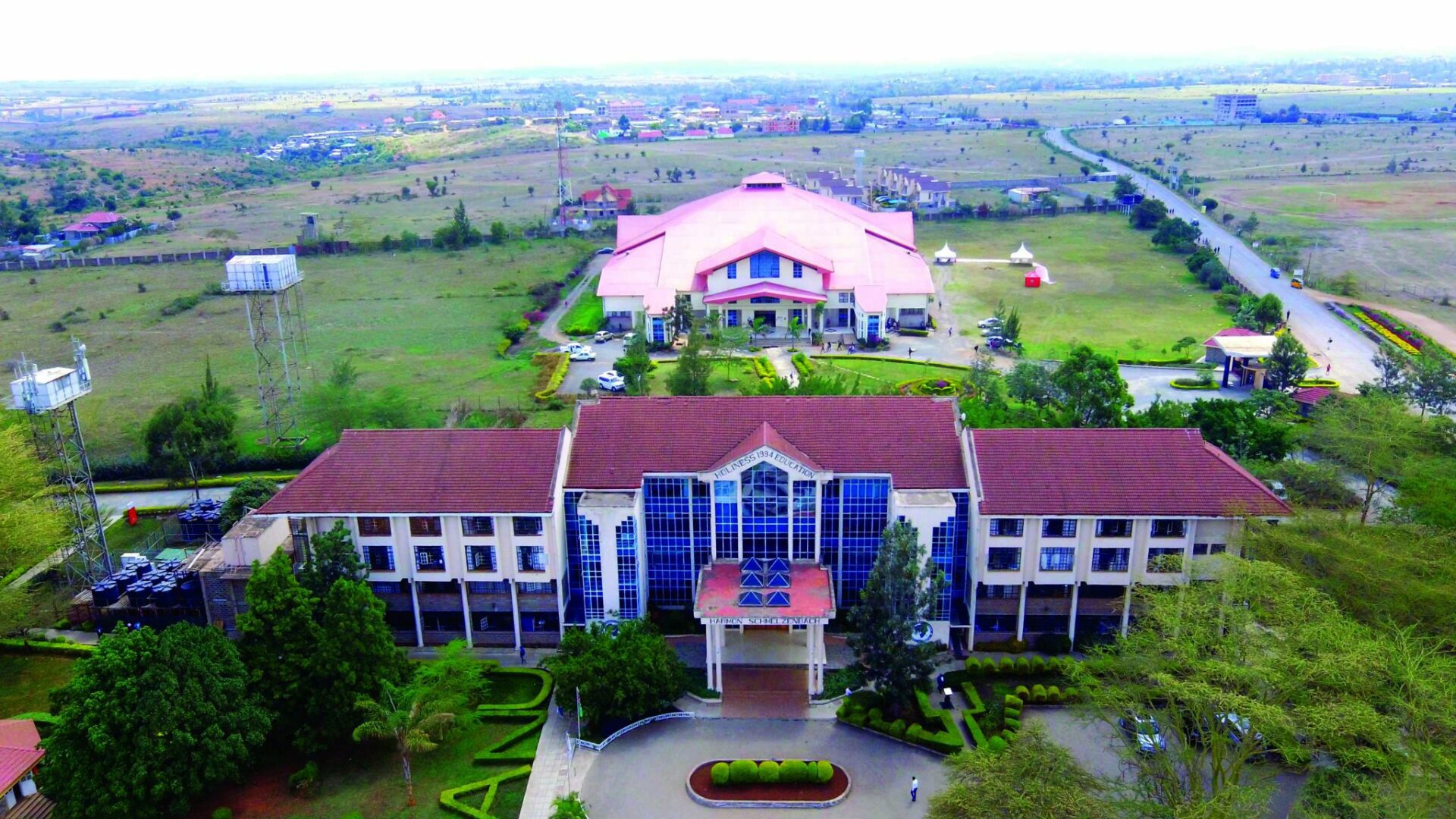
ANU Main Campus
INTAKES
January, September
SHARE